An automatic screw locking machine is a robotic system that picks up screws, positions them accurately over a product, and tightens them to a preset torque. Instead of manual operators handling hundreds or thousands of repetitive tightening tasks per day, the machine performs the work with consistent speed and precision. Models typically include desktop screw feeders, 3-axis/4-axis robotic screwdrivers, inline conveyor systems, and multi-spindle industrial units.
Why Precision Matters for Modern Products
Consumer electronics, EV components, and medical devices often rely on micro screws as small as M1.4 or M2. Manual tightening risks issues such as misalignment, slipping, over-torque, or loose joints. These failures can lead to product returns, short circuits, or structural weaknesses.
Automatic systems minimize these risks by maintaining accurate repeatability, often within ±0.02–0.05 mm positioning tolerance and stable torque control. The result is higher product reliability and lower rework costs.
Key Benefits for Manufacturing Teams
1. Higher Productivity
An automatic screw locking machine can replace multiple operators. A single unit can complete hundreds of screws per hour without fatigue, breaks, or variations in speed. This allows factories to increase throughput with the same workforce.
2. Consistency and Traceability
Manual tightening varies from person to person. Automated systems apply the same torque and depth every time. Advanced models include torque sensors and data logging, enabling full quality records for audits or customer requirements.
3. Reduced Labor Costs
In many regions, assembly labor is becoming more expensive and harder to hire. Automation reduces dependency on skilled hand-tightening workers and lowers long-term operational costs.
4. Improved Ergonomics and Safety
Repetitive screw tightening can cause strain injuries. Automation protects workers by shifting them from physical repetition to inspection and machine supervision roles.
5. Compatibility With Complex Products
Automatic screw locking machines can handle multiple screw types, mounting angles, heights, and patterns. They integrate smoothly into SMT lines, semi-automated cells, and full conveyor-based production systems.
Application Scenarios
Automatic screw locking machines are widely used in:
-
Mobile phones, laptops, tablets
-
Smart home devices
-
Lighting products
-
Automotive electronics and dashboards
-
Communication equipment
-
Toys and small appliances
-
Medical device assembly
In industries where speed and reliability directly influence profitability, automation becomes more than an upgrade—it becomes a competitive advantage.
How to Choose the Right Machine
Selecting an appropriate automatic screw locking system requires understanding your product structure, screw type, torque requirement, and production capacity goals. Important factors include:
-
Screw size, material, and head type
-
Required tightening torque and depth
-
Number of screws per product
-
Space constraints on the workbench or line
-
Whether multi-axis robot arms or fixed spindles are needed
-
Integration need with conveyors, fixtures, or sensors
Consulting with manufacturers who provide sample testing and technical evaluation helps ensure the machine is tailored to your application.
Installation and Maintenance
A well-designed automatic screw locking machine is reliable and easy to maintain. Regular cleaning of the screw feeder, checking the screwdriver bit, and calibrating torque settings are the main tasks. High-quality systems often support remote diagnostics, modular component replacement, and clear maintenance logs, making long-term operation smooth and predictable.
The Future of Screw Tightening Automation
As manufacturing shifts toward higher density designs and smart factories, automatic screw locking machines will continue to evolve. Trends include:
-
Closed-loop torque control with real-time feedback
-
Vision-guided screw positioning
-
Collaborative robot (cobot) screw-tightening cells
-
AI-based monitoring for predictive maintenance
These advancements will further improve accuracy, reduce downtime, and create fully traceable fastening processes.
Automatic screw locking machine are no longer optional—they are a core part of modern automated assembly. By ensuring consistent torque, increasing throughput, and lowering costs, they help manufacturers deliver better products faster. For companies aiming to strengthen competitiveness in electronics and industrial production, investing in high-quality automatic screw locking technology has become one of the most effective decisions.
-
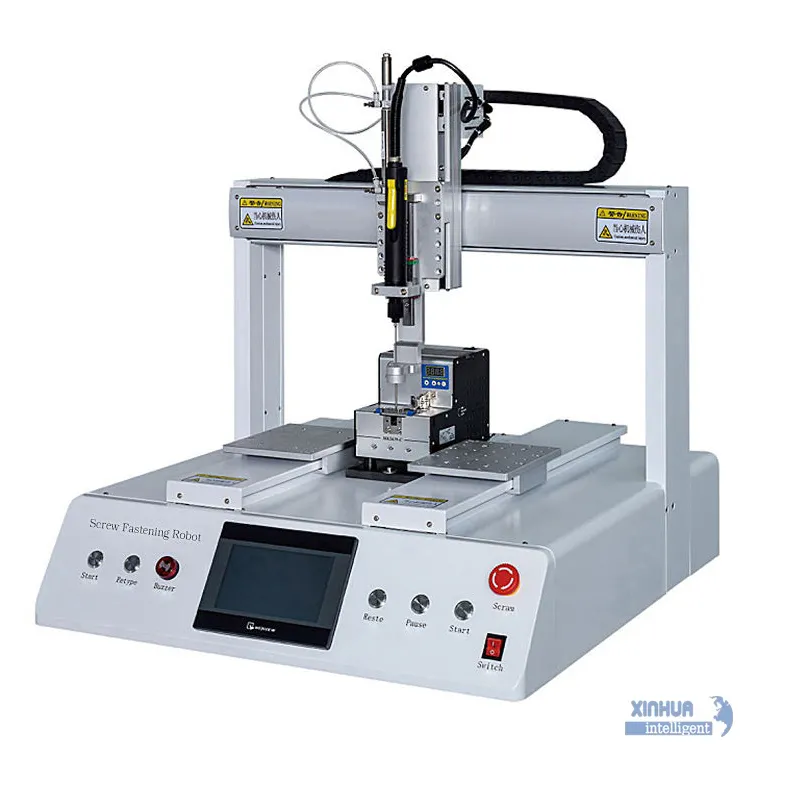
3 Axis Automatic Screw Driving Machine with Single Platform
-
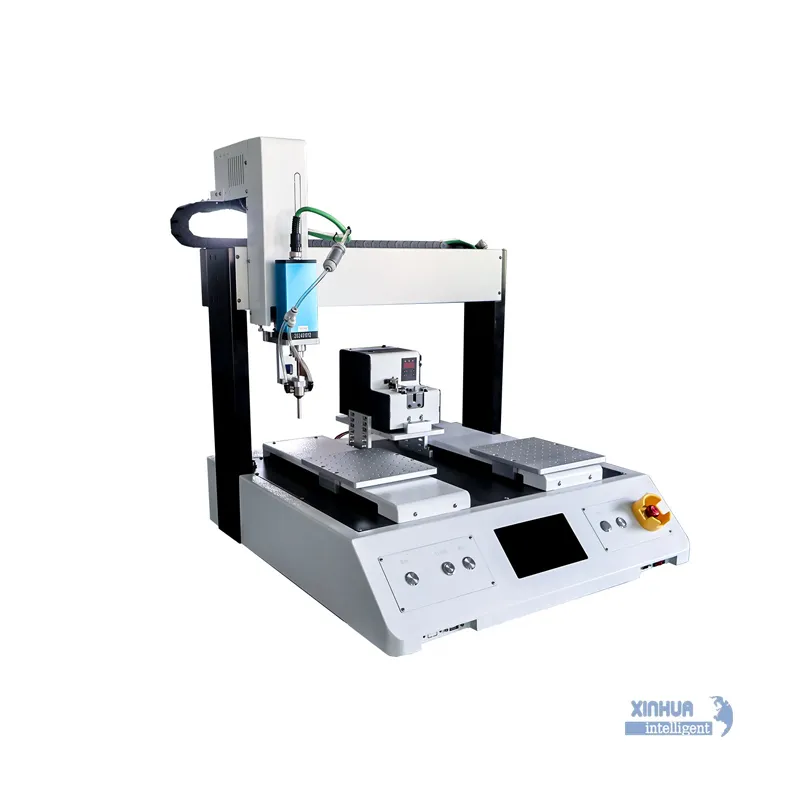
4-Axis Automatic Screw Locking Machine with Dual-Platform
-
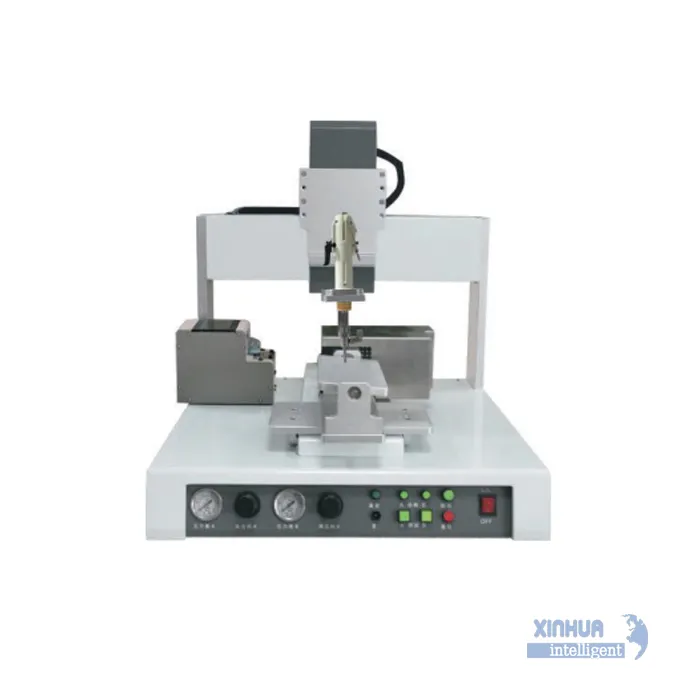
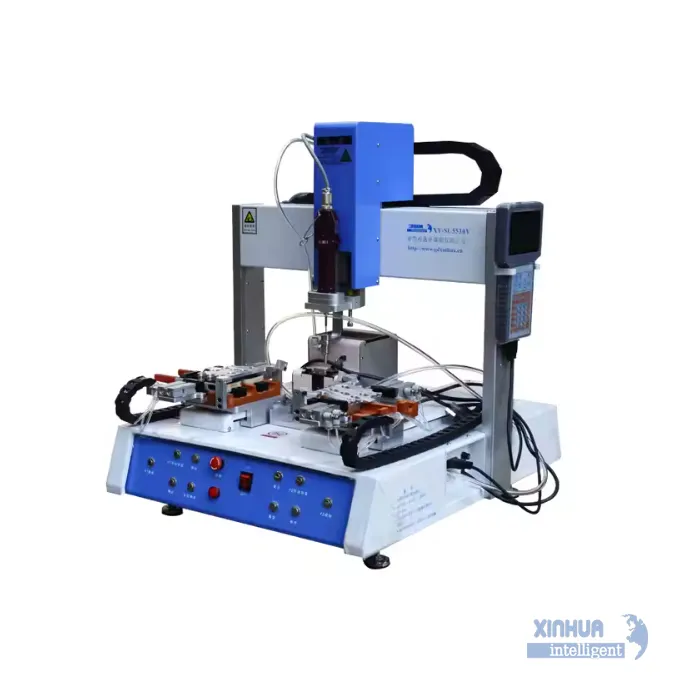
Benchtop Automatic Screw Fastening Robot with 360° Rotatable Platform XY-SC440R
-
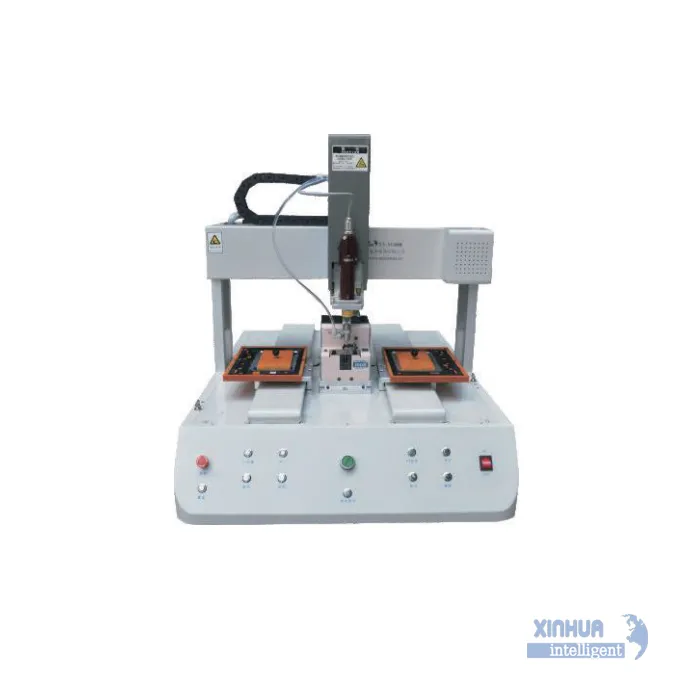
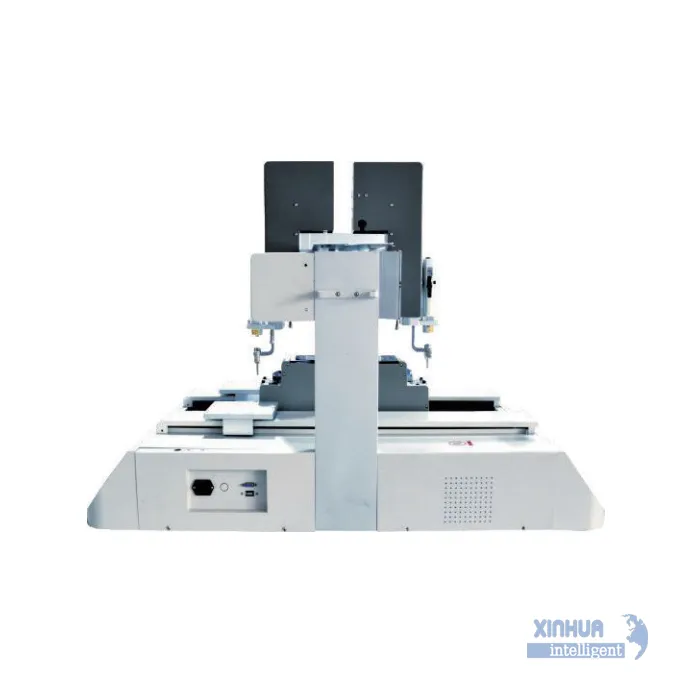
6 Axis Desktop Screw Tightening Machine XY-SC970S/SC550S
-
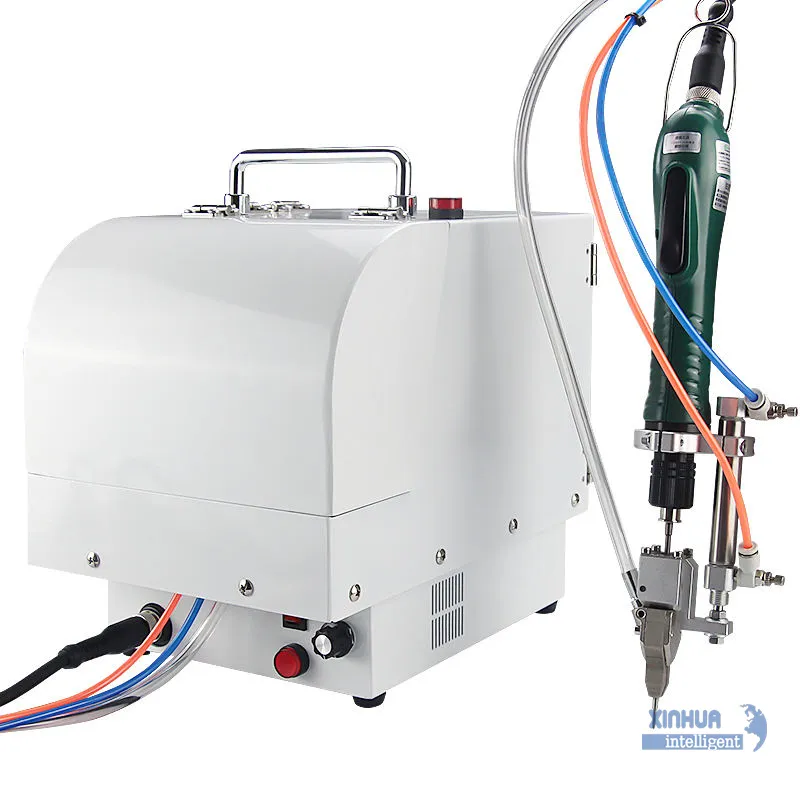
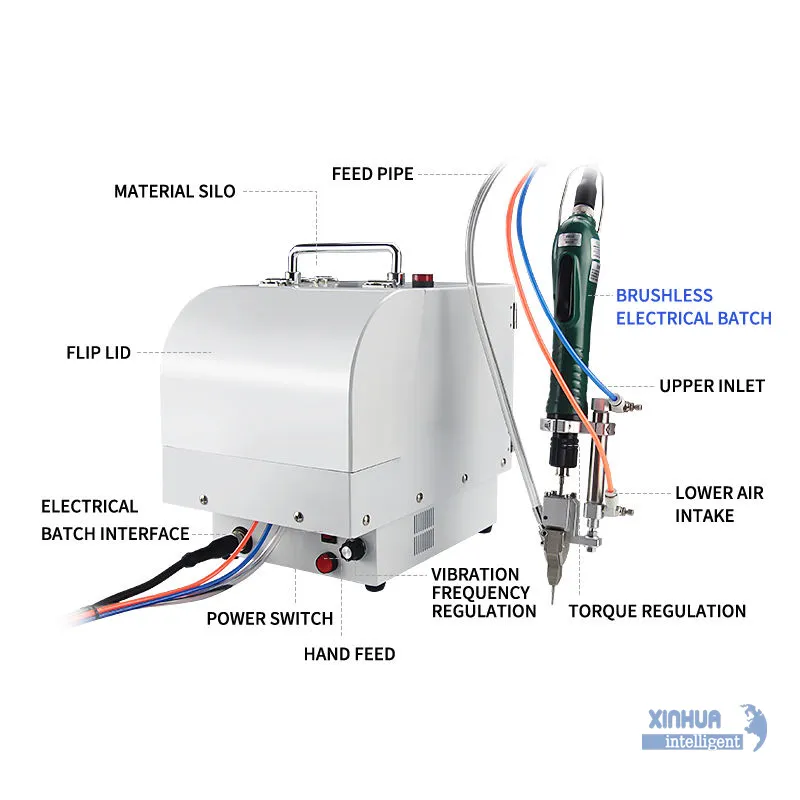
Handheld Automatic Screw Feeder XY-SC50-Z
-
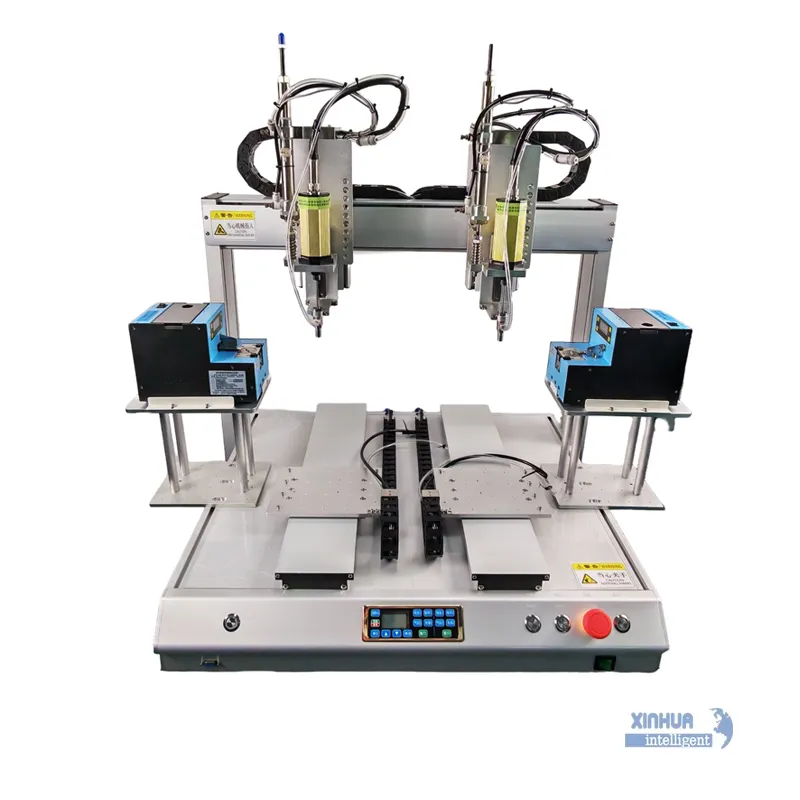
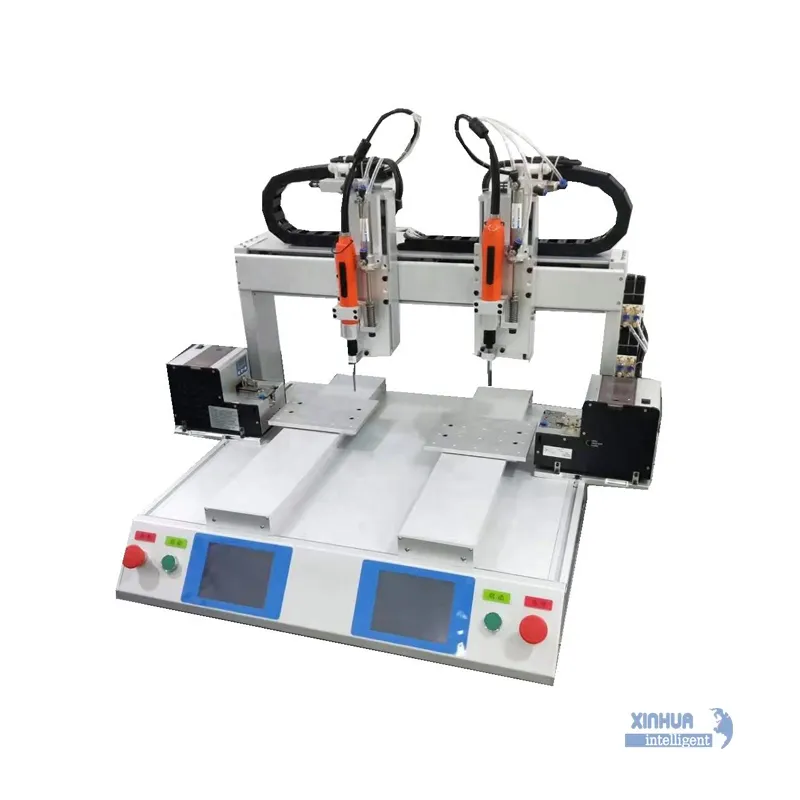
Desktop Six-Axis Automatic Screw Fitting Machine with Dual-Station and Double-Head
-
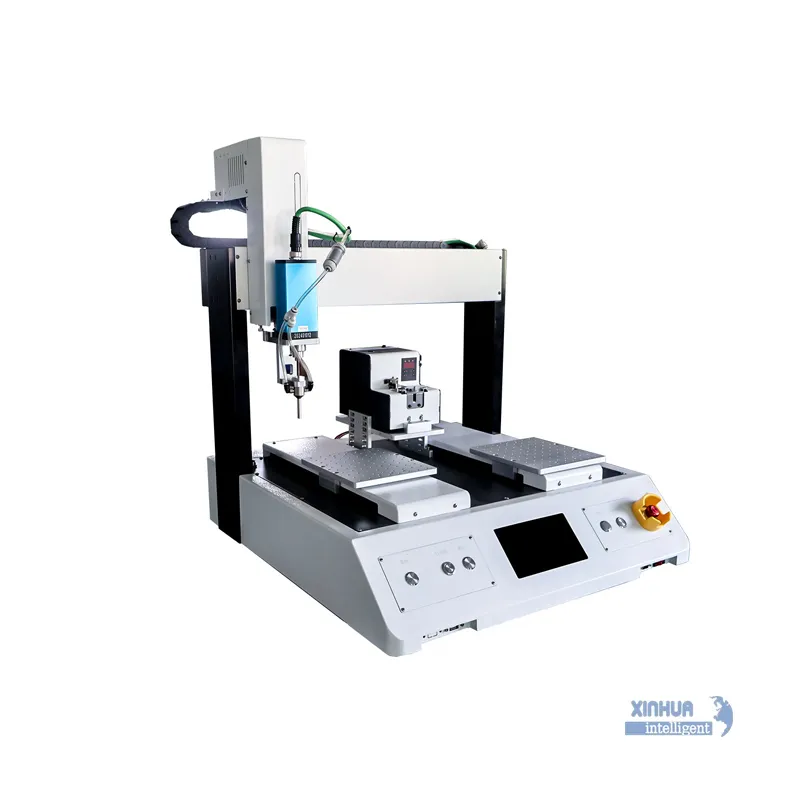
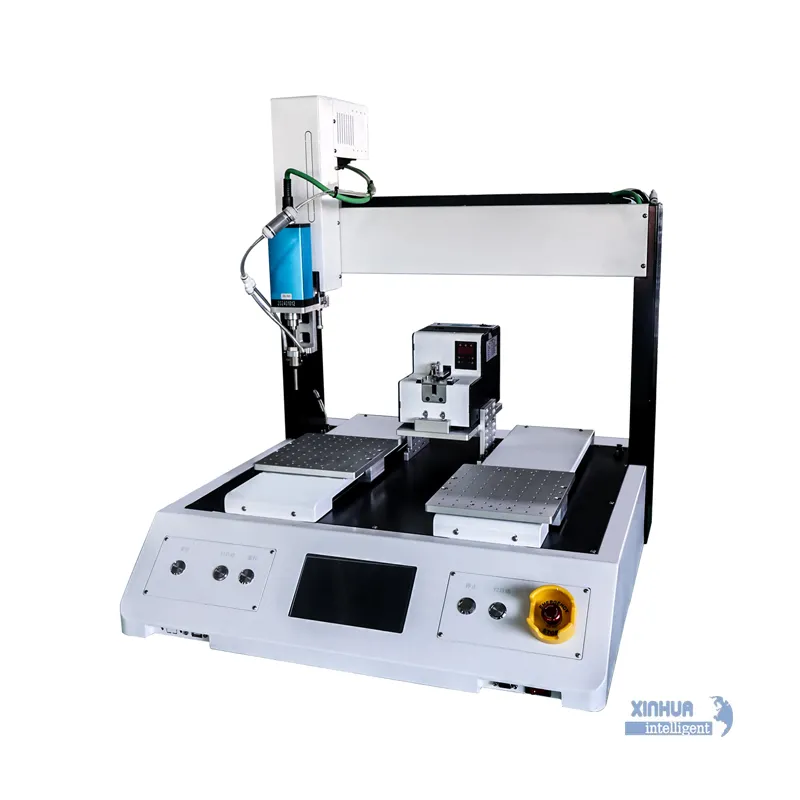
Desktop 3 Axis Screw Fastening Robot with Double Station
-
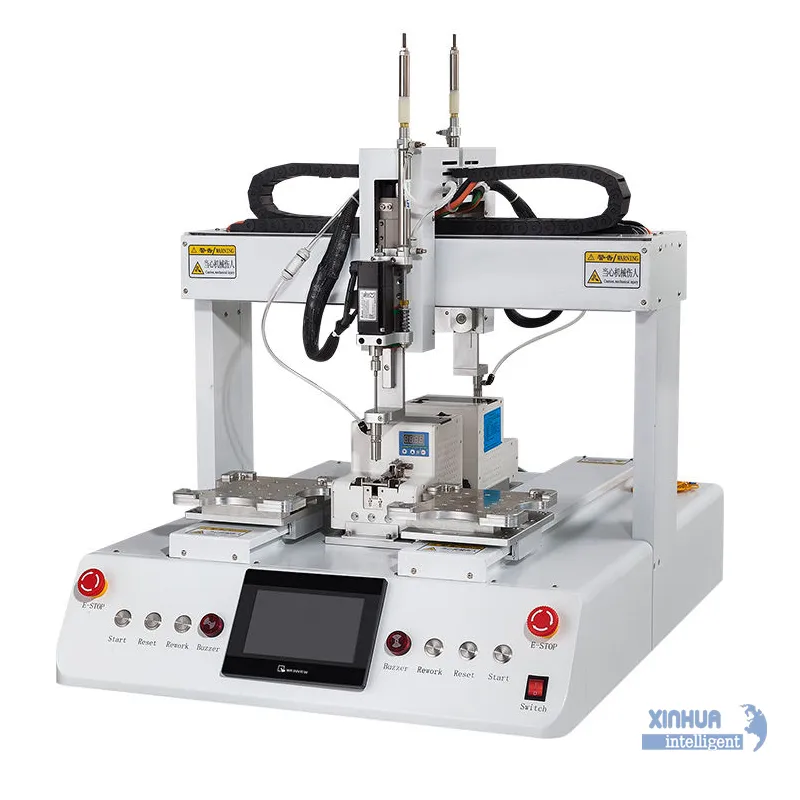
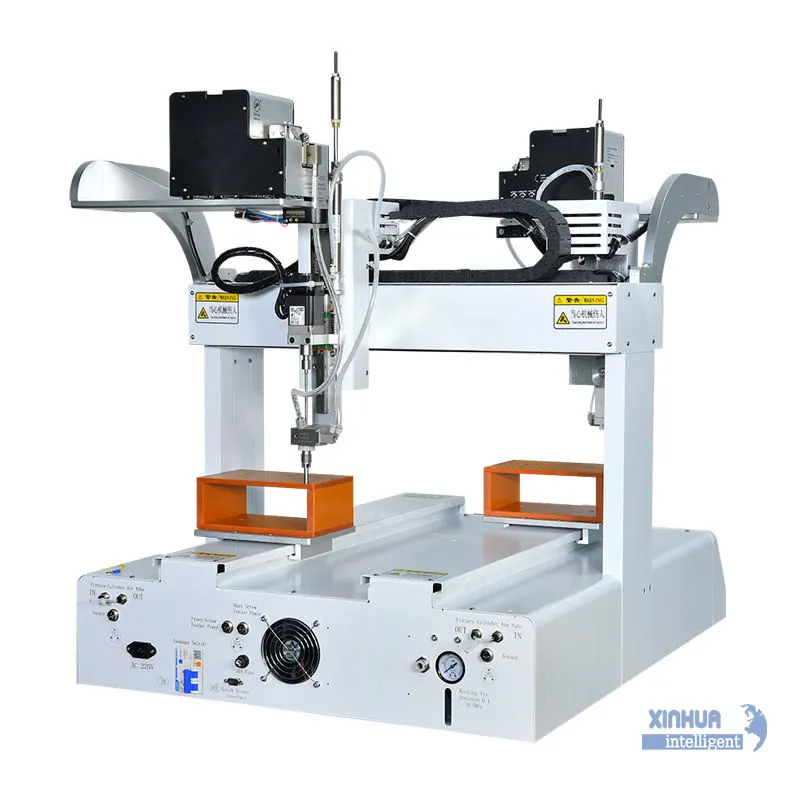
Desktop Automatic Screw Tightening Robot with Back to Back Type,Double Head,Double Platform
-
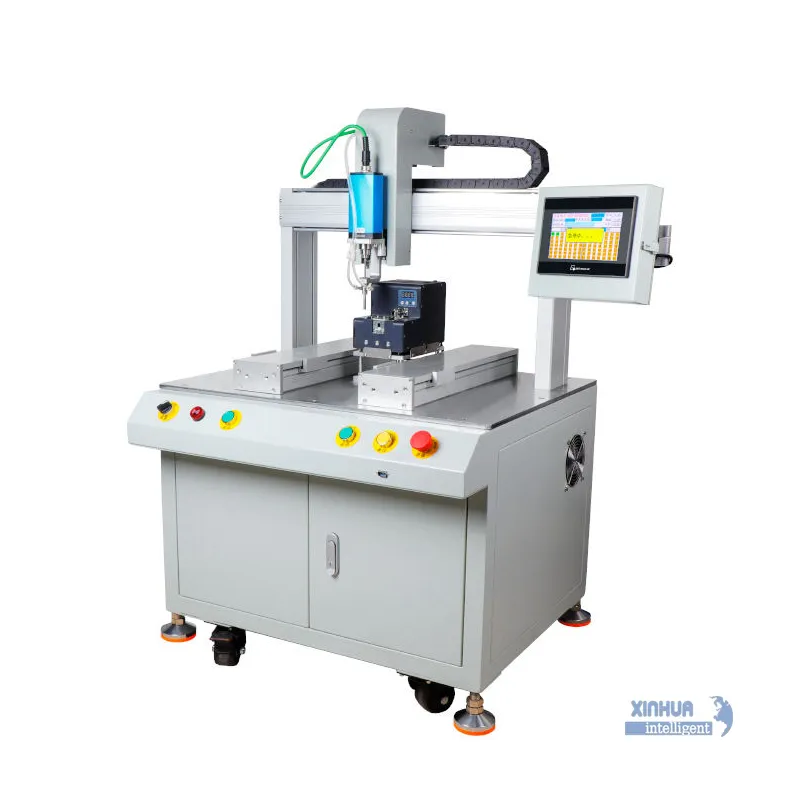
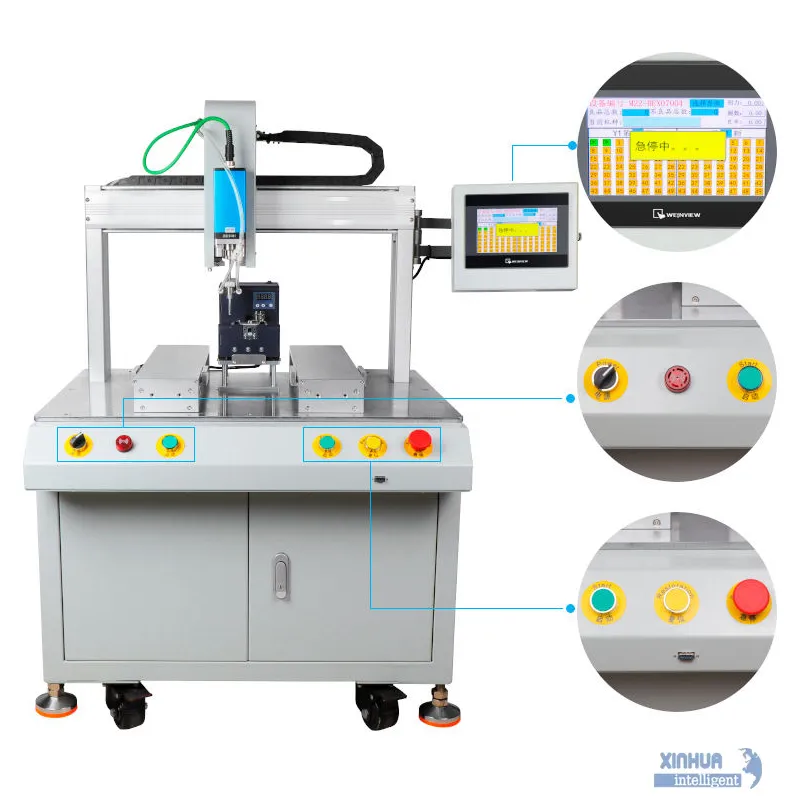
Three Axis Auto Screw Locking Machine with Floor-type (Adsorption,Double Station)
-
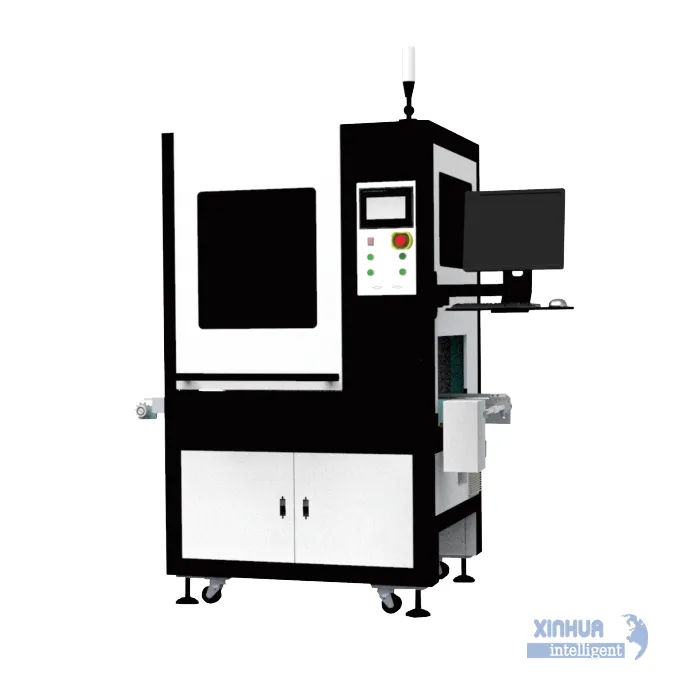
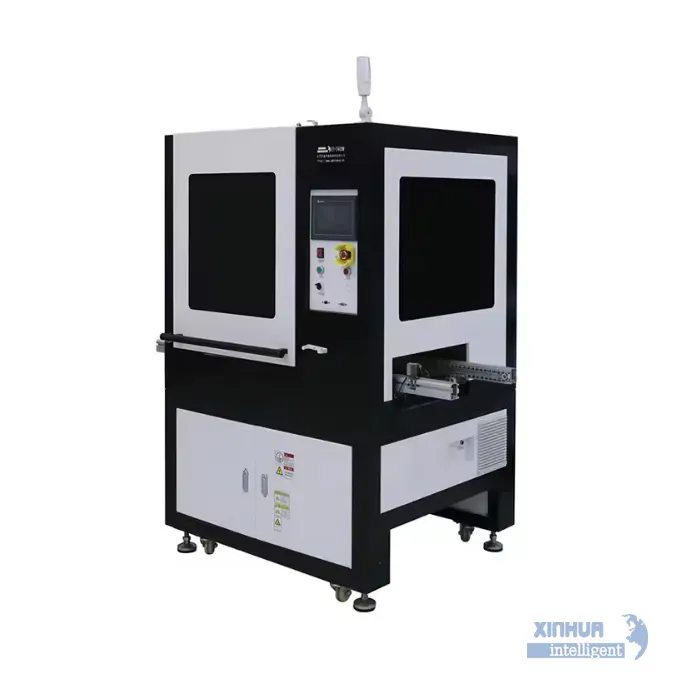
Online Auto Screw Tightening Machine XY-SC3400
-
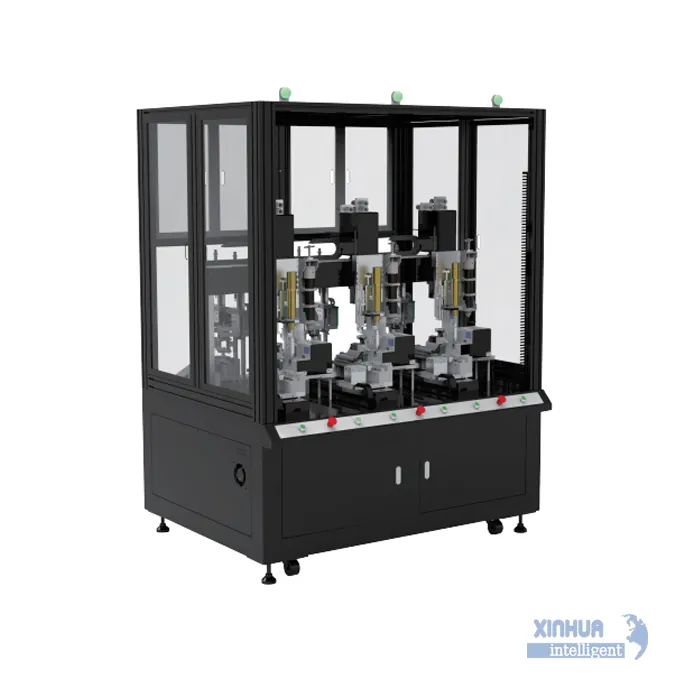
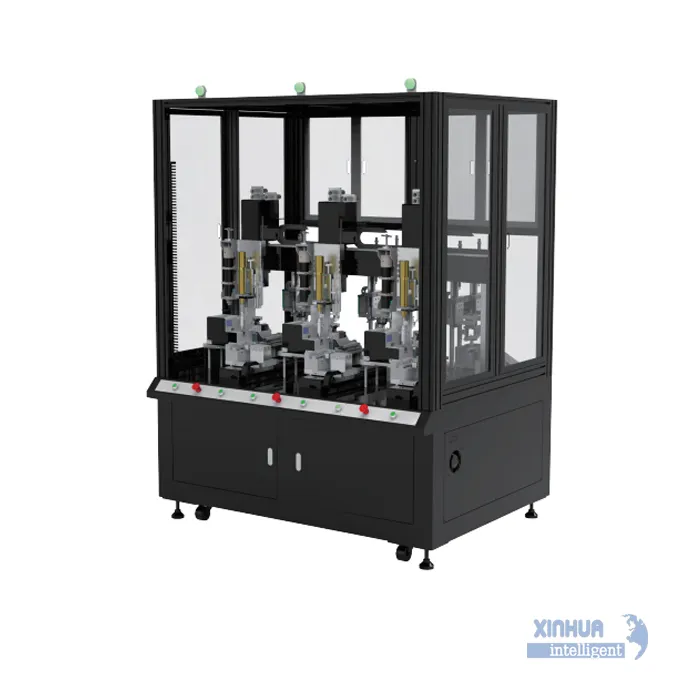
Three Station Automatic Screw Fastening Machine XY-AS373-T
-
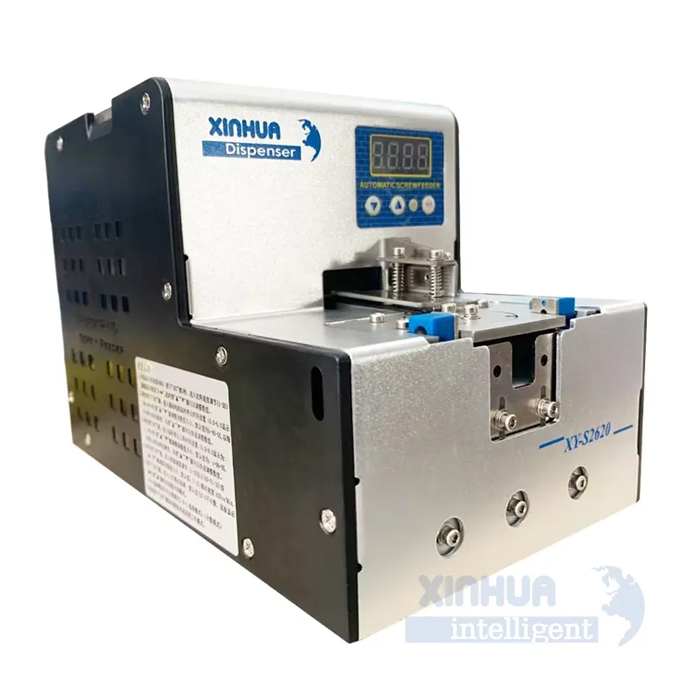

Portable Automatic Screw Feeding Machine XY-S2620


