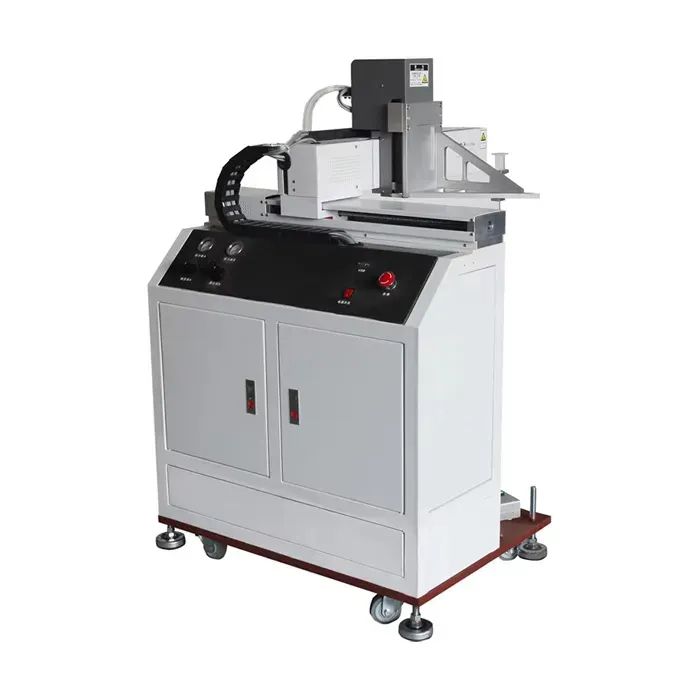
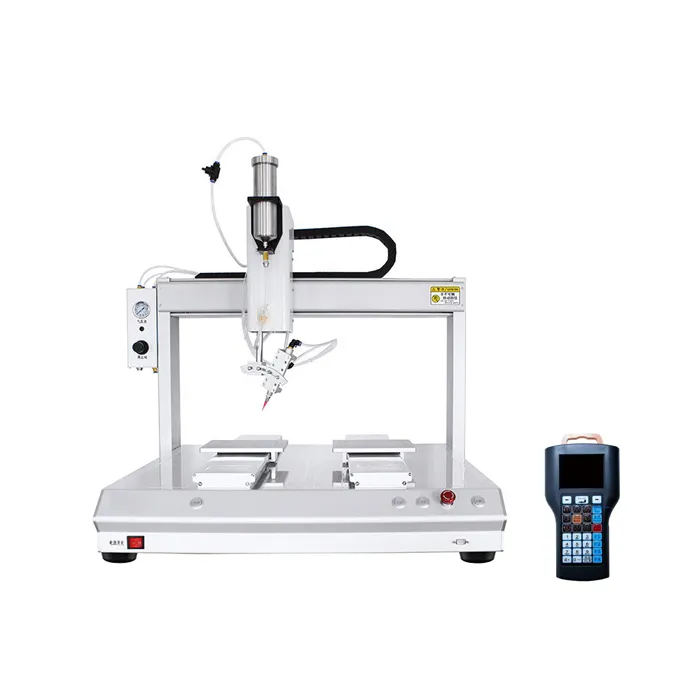
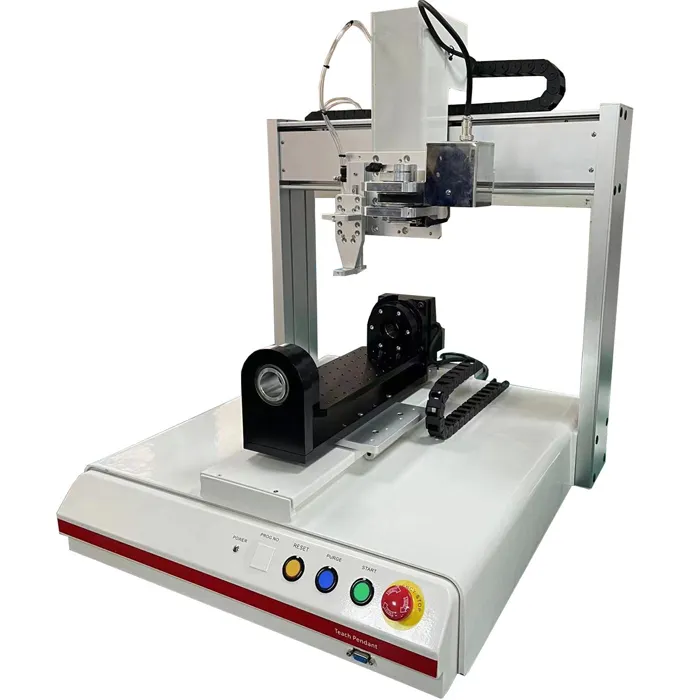
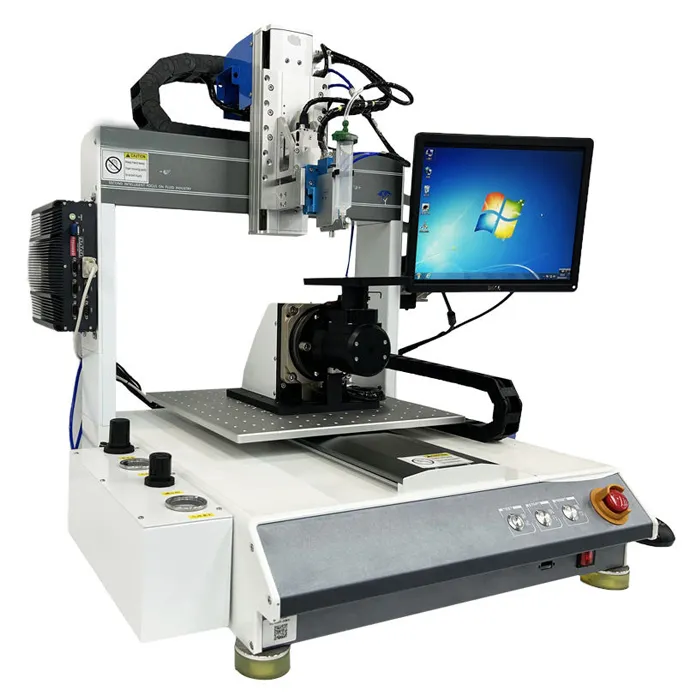
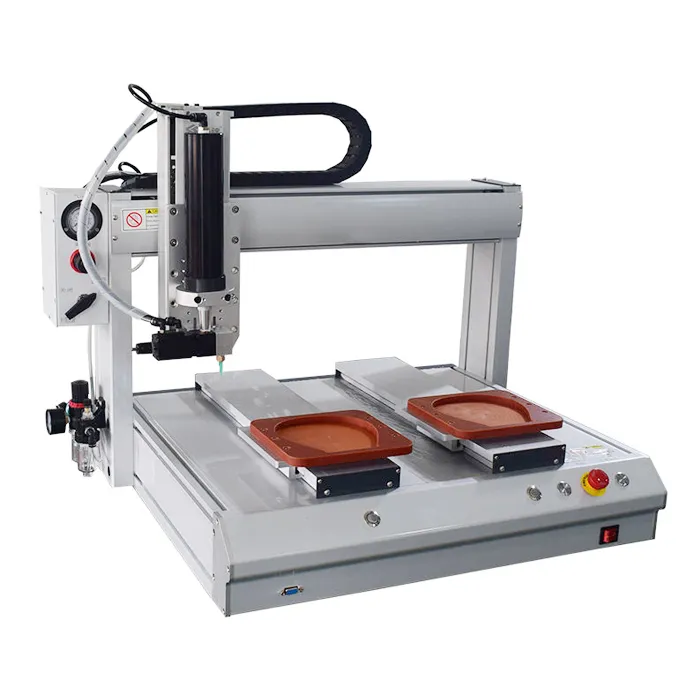
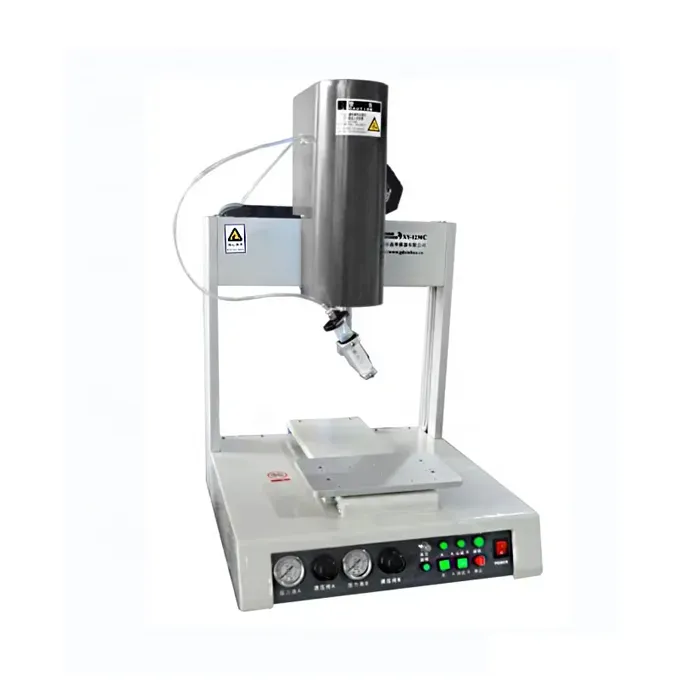
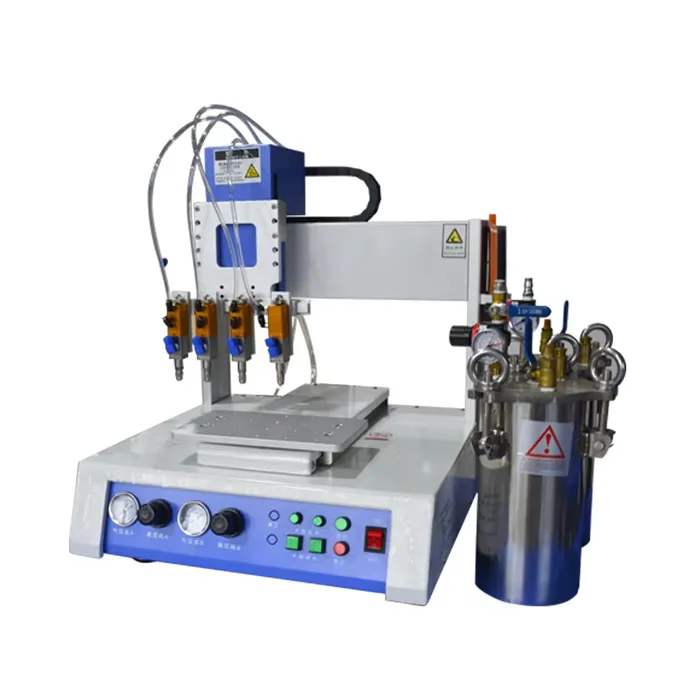
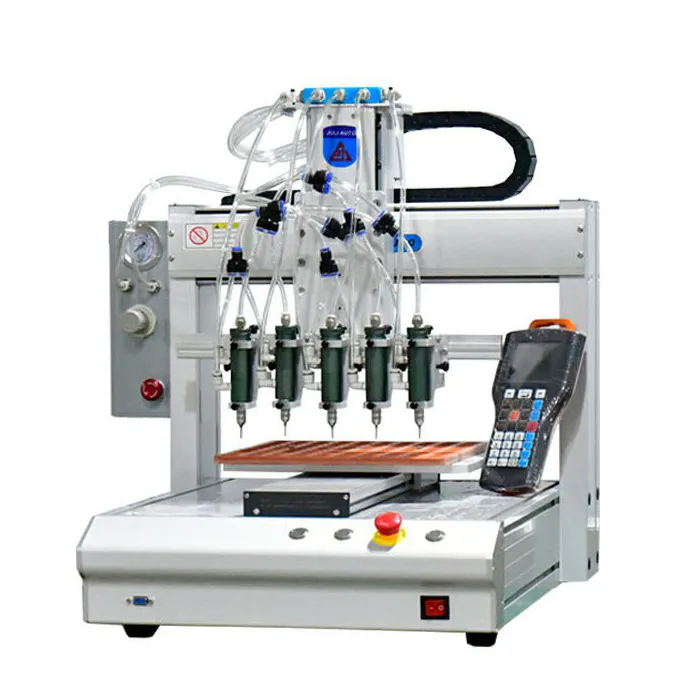
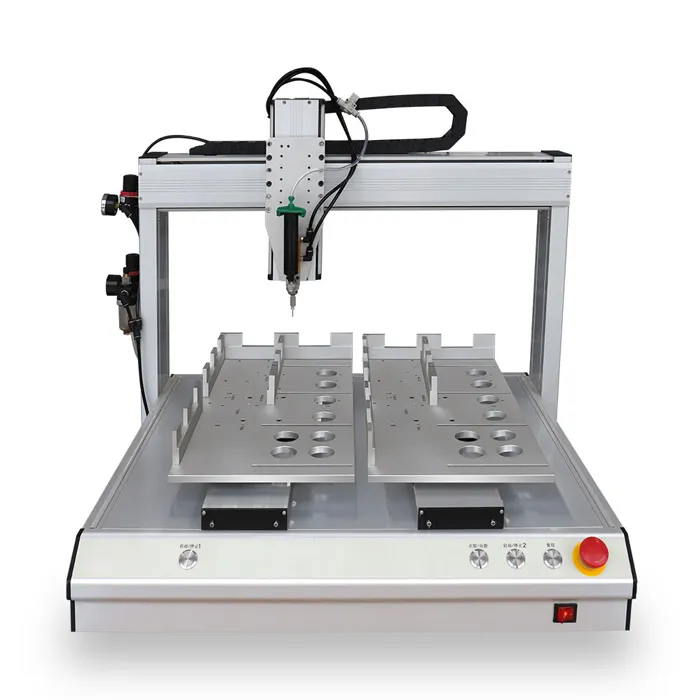
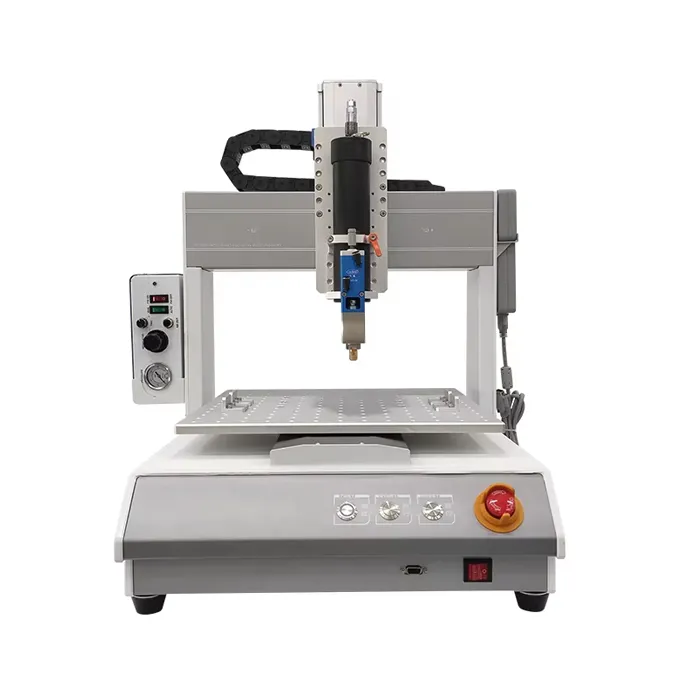
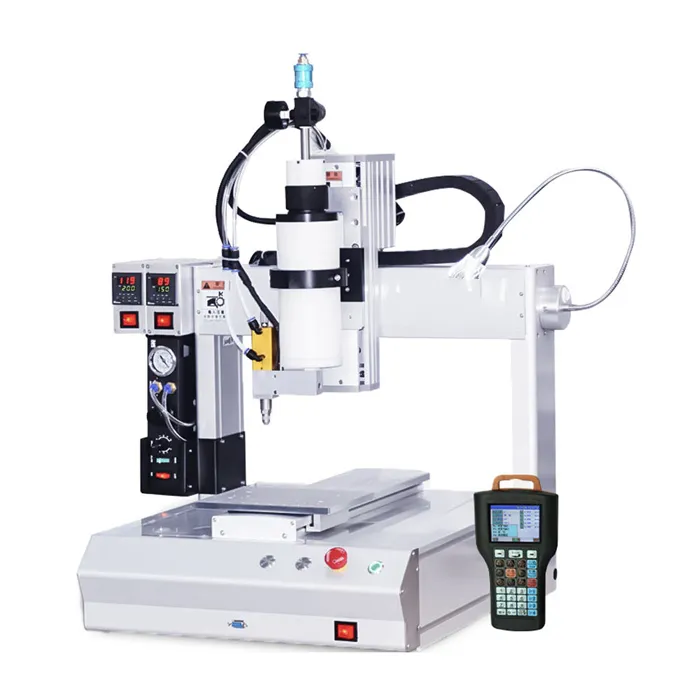
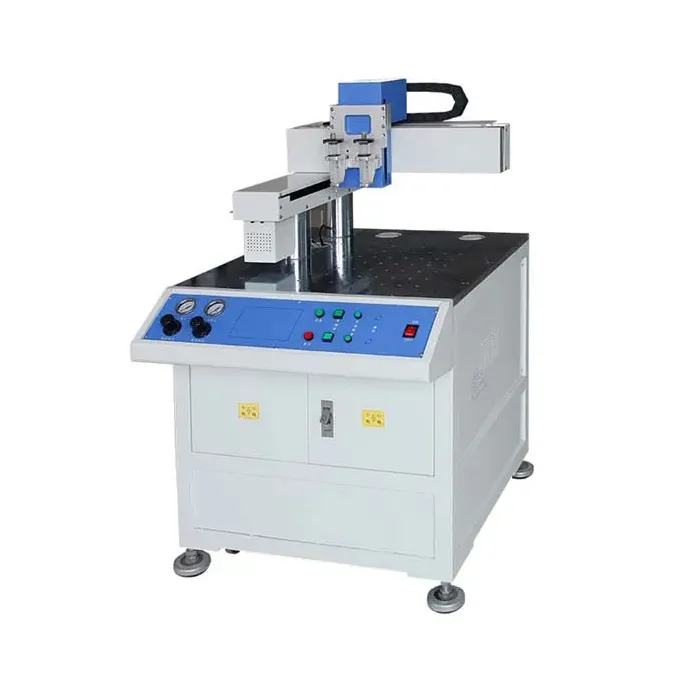
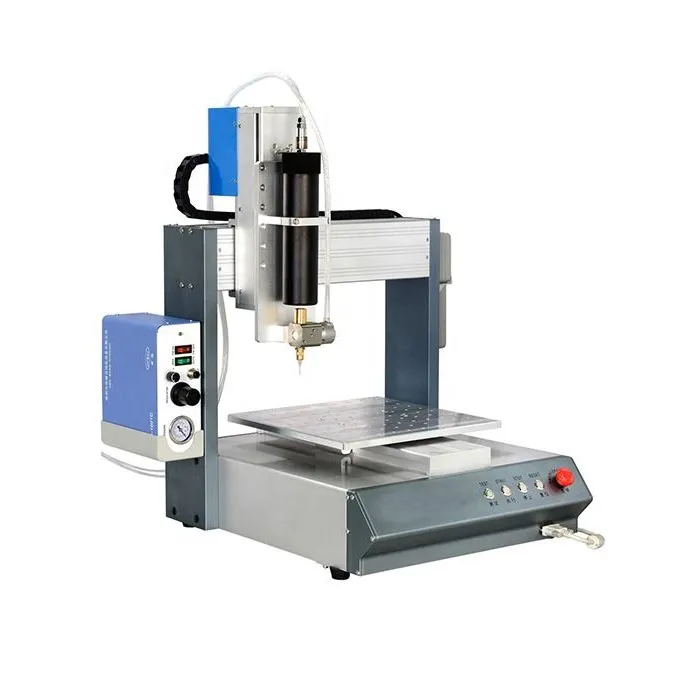
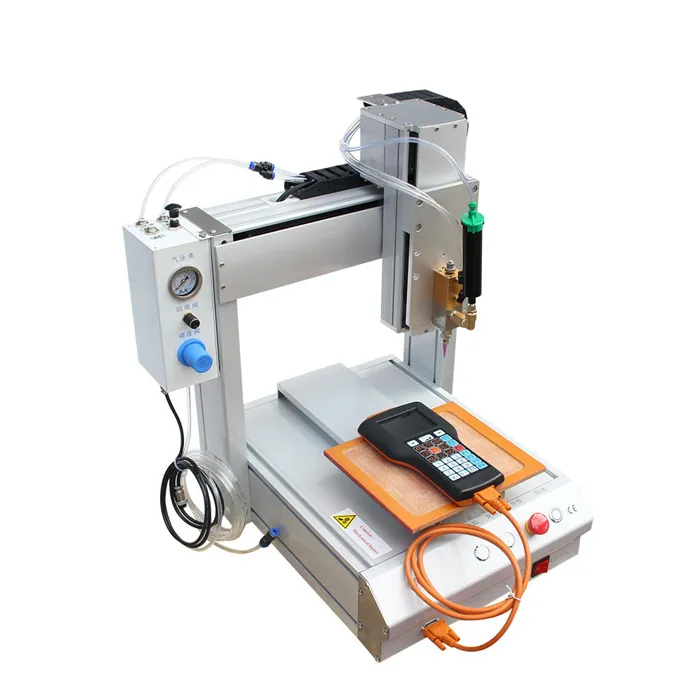
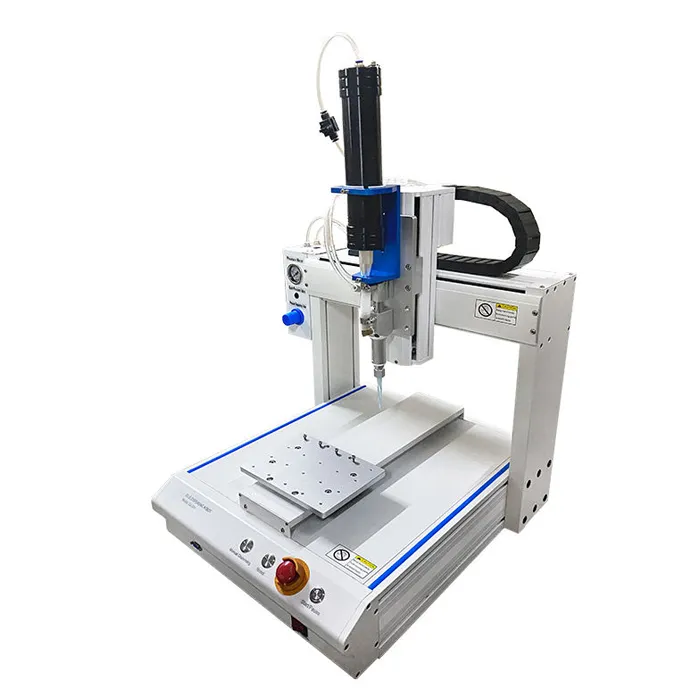
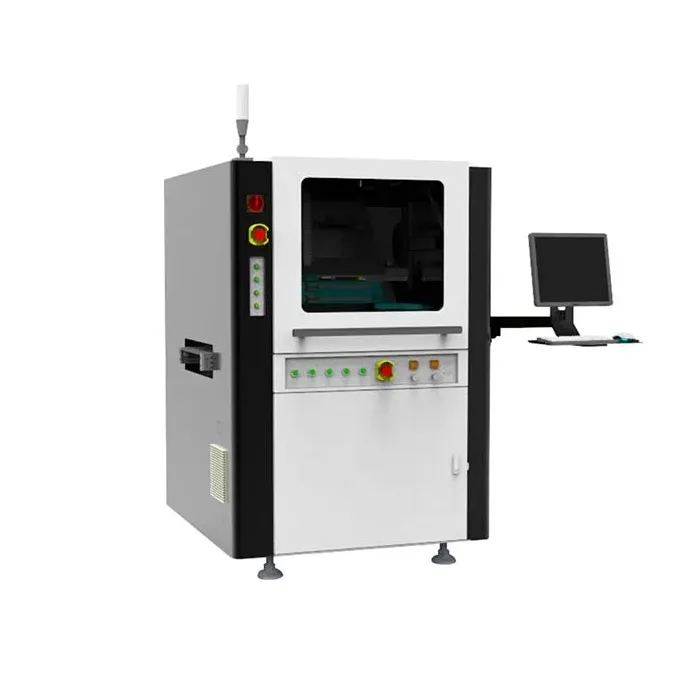
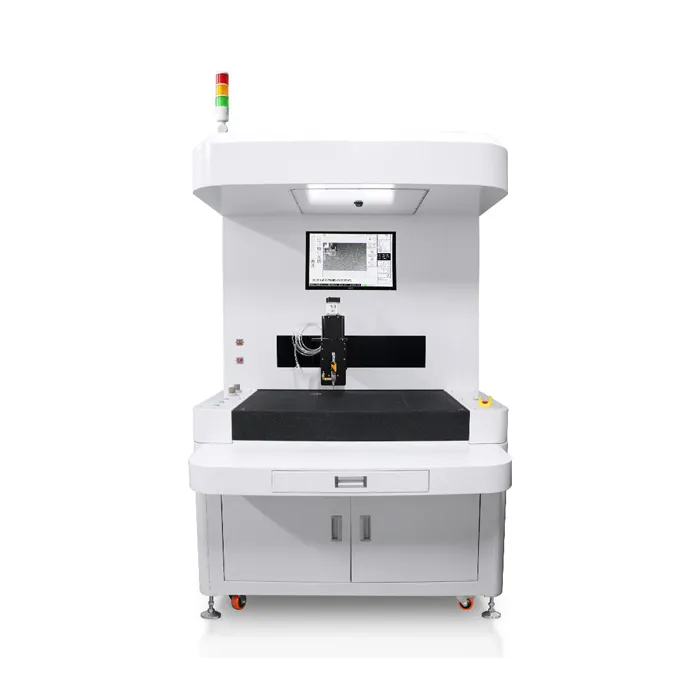
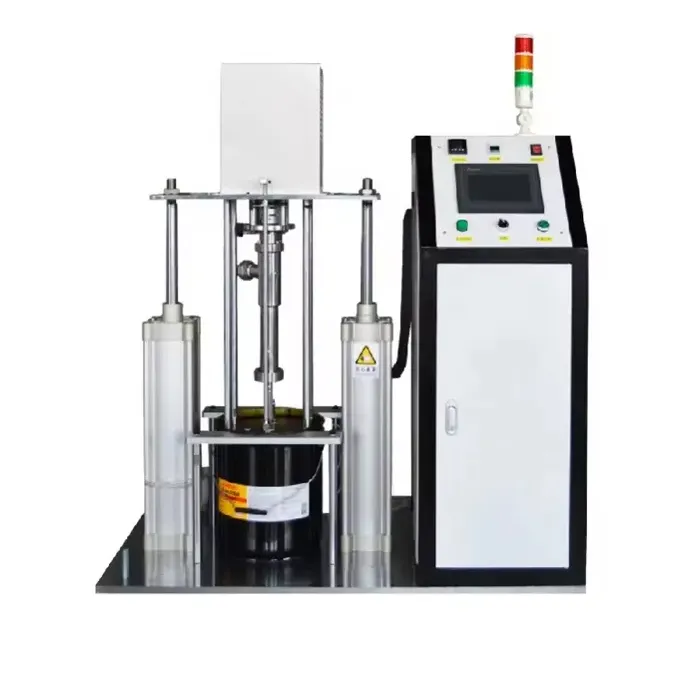
Auto glue dispenser machine have become essential in modern electronics, automotive, and consumer product manufacturing. As production lines demand greater consistency, higher speed, and tighter tolerances, manual gluing methods can no longer keep up. Automated dispensing equipment offers a reliable path to productivity, reduced labor dependence, and stronger process control. Drawing from real manufacturing practices and engineering experience, this article explains how auto glue dispensers enhance quality and why more factories are shifting to fully automated solutions.
1. Precision That Manual Work Cannot Match
One of the greatest advantages of an auto glue dispenser machine is its highly repeatable accuracy. With servo-driven motors, digital calibration, and advanced motion control, most modern dispensers achieve placement precision around ±0.02 mm, far beyond what human operators can maintain over long shifts.
Consistent dot size, line width, and glue volume directly affect product reliability. PCB coating, bonding smartphone frames, sealing LED strips, or potting small electronics requires exact amounts of adhesive. Automated machines eliminate human-caused variations such as fatigue, inconsistent pressure, or unstable hand movement.
This level of precision ensures that every unit coming off the line meets the same standard, reducing rework rates and improving long-term product durability.
2. Higher Efficiency and Stable Cycle Time
Factories facing rising labor costs benefit heavily from automated dispensing. A machine can operate continuously with stable cycle time, completing repetitive tasks faster than manual assembly.
Key efficiency gains include:
Multi-axis coordination for complex gluing paths
Programmable patterns that eliminate setup time between batches
Support for high-viscosity, fast-curing glues
Integration with conveyors or robotic arms for full-line automation
By delivering consistent throughput, factories can better forecast output and scale production without adding more workers.
3. Better Material Control and Reduced Waste
Adhesives can be expensive, especially for specialized industrial applications such as epoxy, UV glue, silicone, polyurethane, and hot melt. Auto glue dispensers use digital metering pumps and controlled temperature systems to keep glue flow stable.
Benefits include:
Reduced material waste
Precise dot and bead volume
Stable dispensing pressure
Lower risk of glue overflow or underfill
In industries such as LED manufacturing, medical devices, and electronics assembly, material accuracy translates directly into cost savings and reliability improvements.
4. Consistent Quality That Supports Certification and Compliance
Manufacturers serving overseas markets—especially Europe, the Middle East, and Southeast Asia—are required to meet strict quality and safety standards. Automated dispensing helps companies pass audits because machines generate stable output that can be documented and tracked.
Features supporting compliance include:
Dispensing logs for QA verification
Controlled curing conditions
Uniform glue bonding for waterproofing or insulation
Reduced risk of human error in assembly
This consistency helps factories obtain certifications like ISO 9001, CE, and RoHS more easily, supporting their ability to export globally.
5. Flexibility for Multiple Industries and Products
Modern auto glue dispensers are not limited to one type of adhesive or product. Advanced models support:
Epoxy potting for power supplies
Silicone sealing for LED drivers
UV glue for phone frames and lenses
Two-component mixing for electronic modules
Hot melt for packaging or textile bonding
Through software programming, technicians can quickly switch between patterns such as dots, spirals, straight lines, curves, or filling tasks. This flexibility makes automated dispensing suitable for both small-batch customization and high-volume mass production.
6. Cleaner Work Environment and Safer Operation
Automation improves safety by minimizing direct contact with adhesives. High-viscosity or fast-curing materials can irritate skin or emit fumes if handled incorrectly. Machines isolate the dispensing process, making the workspace cleaner and reducing chemical exposure risk.
Other safety advantages include:
Controlled glue heating
Enclosed dispensing paths
Automated cleaning routines
Fewer manual refills of adhesive
A cleaner, safer environment also helps manufacturers maintain consistent product quality.
7. A Smart Investment With Long-Term ROI
While the initial investment in an auto glue dispenser machine may seem higher than manual tools, the long-term return on investment is substantial. Factories typically see improvements in:
Production throughput
Reduced scrap and rework
Lower labor requirements
Improved product consistency
Faster project delivery times
Automation also strengthens a factory’s competitive edge, especially in markets where buyers expect high precision and stable quality.
Conclusion
Auto glue dispenser machine are no longer optional equipment—they are a foundational part of modern precision manufacturing. With accuracy, efficiency, material savings, and strong process control, they help factories elevate quality while reducing cost. For companies looking to expand internationally, meet strict quality standards, or optimize production lines, investing in automated dispensing is a strategic move that pays off for years.
If you need help choosing a model or planning an automation upgrade, feel free to tell me your product type, glue material, and production volume—I can help recommend an appropriate configuration.